Keeping Your Hunting Boots Clean Before Heading, to Public Land
Keeping your hunting boots clean is not about looking good; it has an impact on the environment and your ability to hunt in certain places. Mud and dirt that stick to your boots can carry soil, seeds and tiny water creatures from one place to another. This is an issue when moving between areas of public land during the day. Following a cleaning routine helps protect the environment and reduces problems with getting access to hunting areas. Also keeping your gear clean helps you avoid confusion with rules at places.
The Hidden Risks of Mud-Caked Footwear
It's important to understand that it's not the mud itself thats the problem; it's what the mud might be bringing along. Your boots can pick up things like burrs, grass seeds and parts of plants. These unwanted items often end up in the cracks of your boots or in the areas where the top of the boot meets the sole.
These items can cause long-term problems in shared areas. Seeds that are accidentally taken to areas might not be noticed until the hunting season is over. It's important to leave every place with your gear free from dirt and seeds.
Cleaning your boots also helps you check your equipment. Worn soles or broken parts of the boot can be dangerous especially when you are walking on uneven ground. Taking time to look at your gear can help keep wildlife safe and prevent accidents that might make you walk a way back to your car.
Prepping for the Cleaning Routine
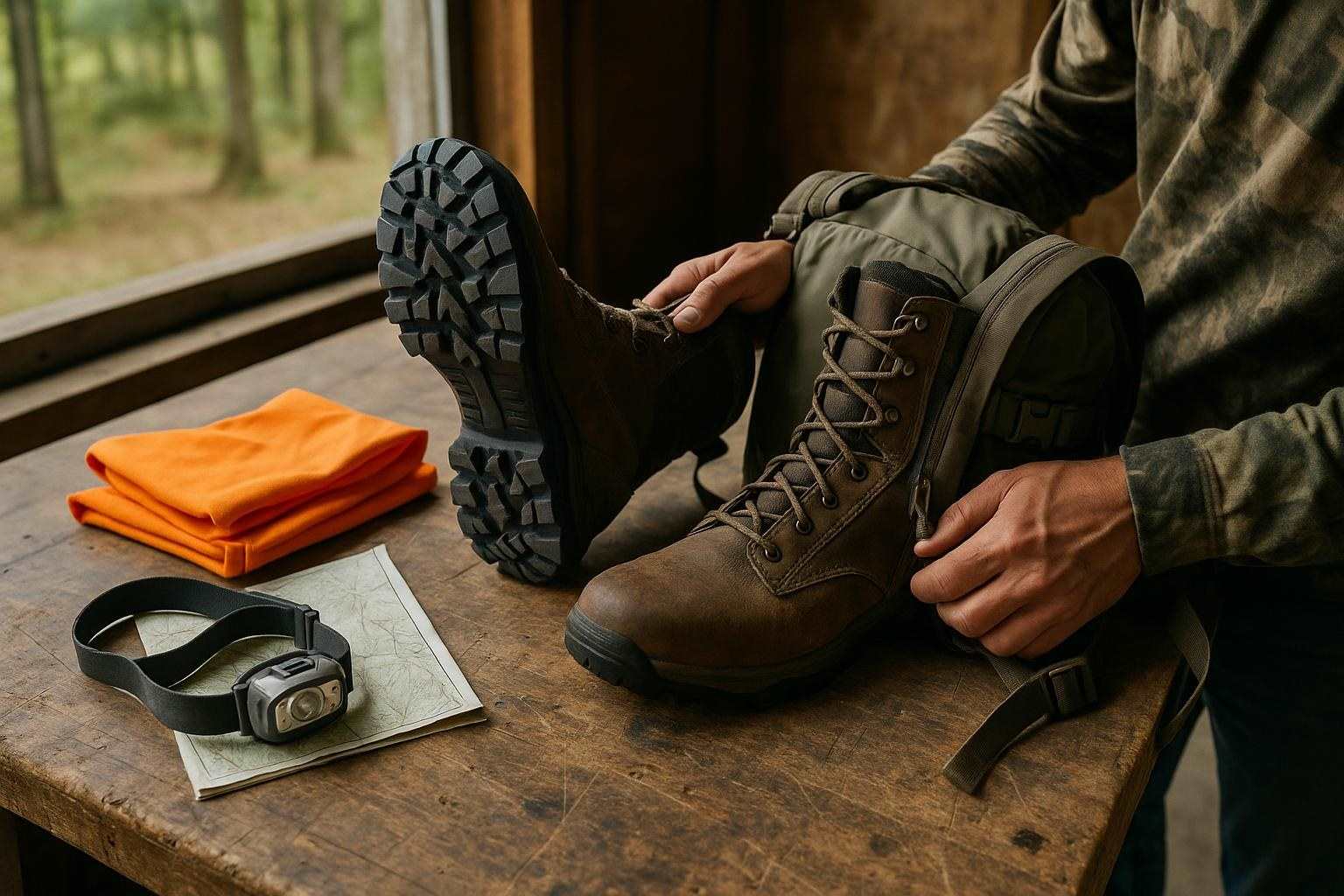
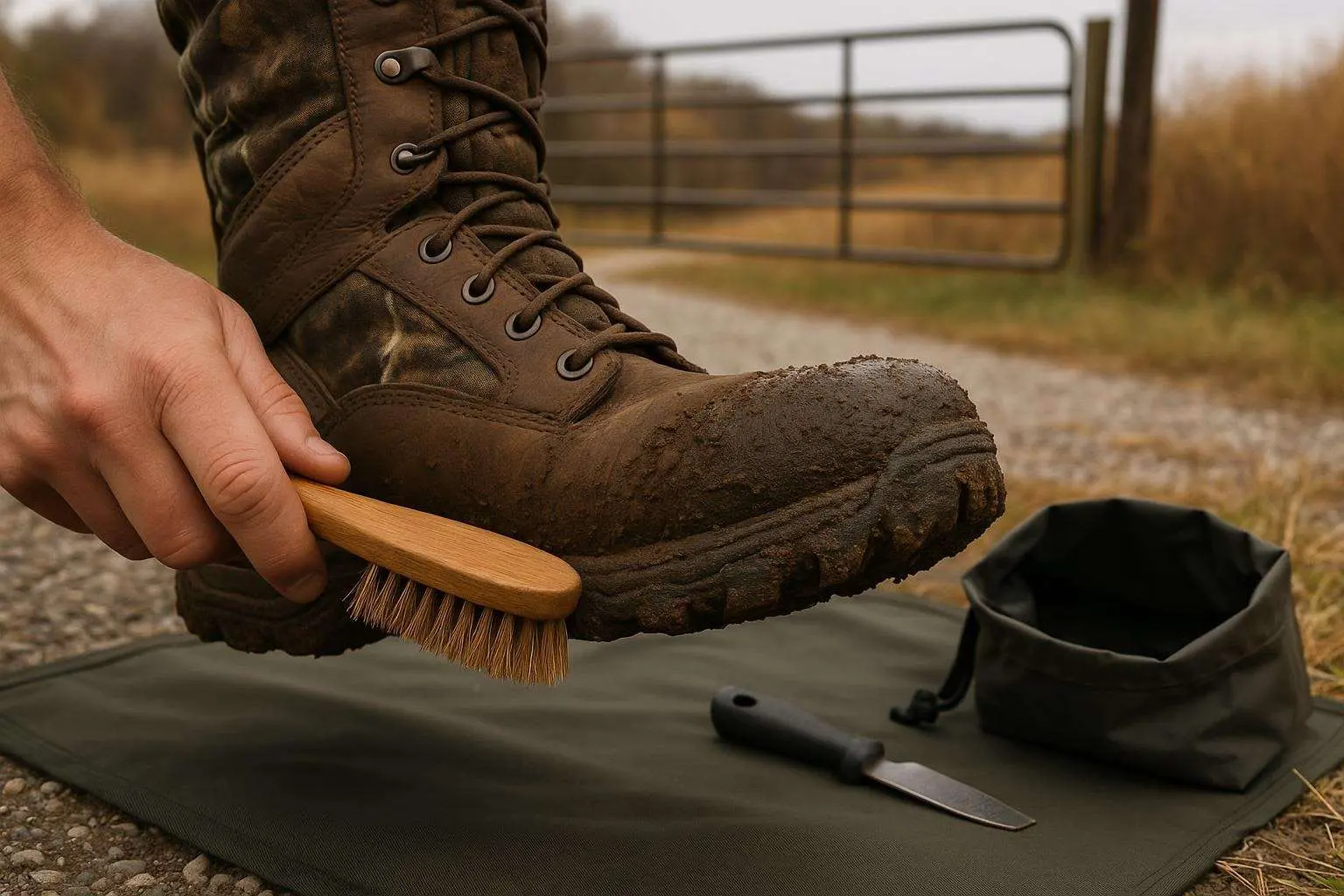
Your cleaning process should start before you even go out on your hunting trip. Bring tools like a brush, a narrow tool for cleaning the treads a small towel and a bag to put dirty things in. A plastic scraper can help take off mud. Be careful not to hurt your boots. It's better to avoid using shared cleaning tools at the start of a trail because they might not work well or might be dirty.
Keep your cleaning tools from food and things like binoculars and bullets. If your boots are wet make sure they have a place to dry so they don't get things wet. A second pair of shoes can be useful on days but its not always necessary. The point is to make a routine that you can follow, in the early morning.
Cleaning Techniques: Scrape First Wash Later
Start by scraping off any pieces of mud when its still soft. Work from the top of the boot to the bottom making sure you clean the treads and the heel. Don't forget to check your gaiters and floor mats as these can also get dirty.
Be careful when using water; use it responsibly and only in places where its allowed. Washing dirt into ditches or streams can spread the things you are trying to stop. Often a dry brush and a close look will be enough keeping the risk of spreading things to a minimum. If you must use water do it in a controlled area from any water flow. Make sure the dirt is kept in one place.
A quick rinse might look clean. It can spread dirt over an area. It might not be as neat. Scraping the dirt into a bag or area is better at stopping the spread of harmful plants.
Understand Local Regulations
Different places have rules about access and cleaning gear. Pay attention to the rules for the state, wildlife areas or any places you are visiting. Some places might need you to follow cleaning steps or stop you from driving in. Make sure to check the rules of using old habits from last year.
Be extra careful when you move between places like from areas to dry ones or from farmland to wild areas. If there is a washing station use it even if your boots look clean.
Avoid using washing areas or disposal spots without asking. It's important to leave no living things when you use land.
Final Checklist Before Leaving
Before you go to your hunting spot do a check:
– Look at the bottom of your boots the sides and the laces for any seeds or dirt.
– Check your pants the straps on your pack and any clothes that touched plants.
– Look at the tires and floor mats for mud especially if you drove through places.
– Don't forget to check gear like blinds, chairs or tools you used in plants or near water.
– Look at the rules any areas or cleaning rules to stay in the right.
If you find any dirt take it off before you leave. Throw away the dirt as the land manager says or keep it to stop it from spreading during your trip.
The Case for Clean Boots
In addition to helping the environment keeping your boots clean also helps you stay safe. Mud makes it harder to walk and problems with boots can become clear on ground. What feels stable on ground can be dangerous on a hill or a wet log.
It's important to dry and check your boots before your trip. Follow the makers tips for cleaning about what chemicals to use or how hot it can get, as strong chemicals and much heat can break your boots. If there are rules, about cleaning for pets, animals or water areas make sure to follow the advice.
Spending time to keep your boots clean might not fix all the problems with nature. Its a thing that can help stop one way that bad plants spread. When you use public hunting land being careful to keep mud off your boots is not just kind-it's important.