Even when good equipment is given away it generally will find its way into circulation rather than into waste where it can cause harm. Being of service here is to help organize a fair transfer of all unused outdoor gear of value between 3 different outdoor enthusiasts (hunting, fishing, camping) over the course of one Saturday. In this way useful gear is taken out of circulation to be of immediate use and items of questionable safety are not distributed. It is organized as a fair even where items of differing value are put into circulation.
Start with the trip, not the pile
Ask the person who the gear will be used by what they are planning for their next outdoor adventure. For example, someone planning a short spring camping trip may need a compact tent, cooking gear and a sleeping pad, while someone interested in waterfowl hunting may need storage for their gear, waders and maybe something to help organize their decoys. Fishing gear can be of interest to someone who doesn't have a large cooler but could use a good landing net or even a tackle organizer.
Ask each person to make a 2 column list of their outdoor gear. The left column should list items that they can offer for trade. The right column should list items that they would like to have for trade. This way you can avoid people bringing useless junk to your swap and can make sure that everyone is going to go home with some really useful gear. Also, people can let each other know if something is too specialized, too big, etc. for their outdoor adventures.
Sort camping gear, hunting gear and fishing equipment separately
Discard similar items together like old camping gear, lures and other fishing accessories. Tools and accessories from past seasons like camping staffs, boat anchors and tackle boxes also go together. Keeping similar items together makes it easier to notice missing items as well as duplicate items.
When sorting the donated items, label them with "ready to use", "needs some attention" and "parts or repair". That way you can easily see if that old stove is still missing a burner, if that tent still needs some patching or if that reel still needs some cleaning to make it work again.
For clothing, consider size and fit and let the end user decide if the items are useful or not. As items are worn they can often change fit in unexpected ways. A person should not feel pressured to take something because it was offered, they should only take what they think will be useful.
Inspect the details that affect field use
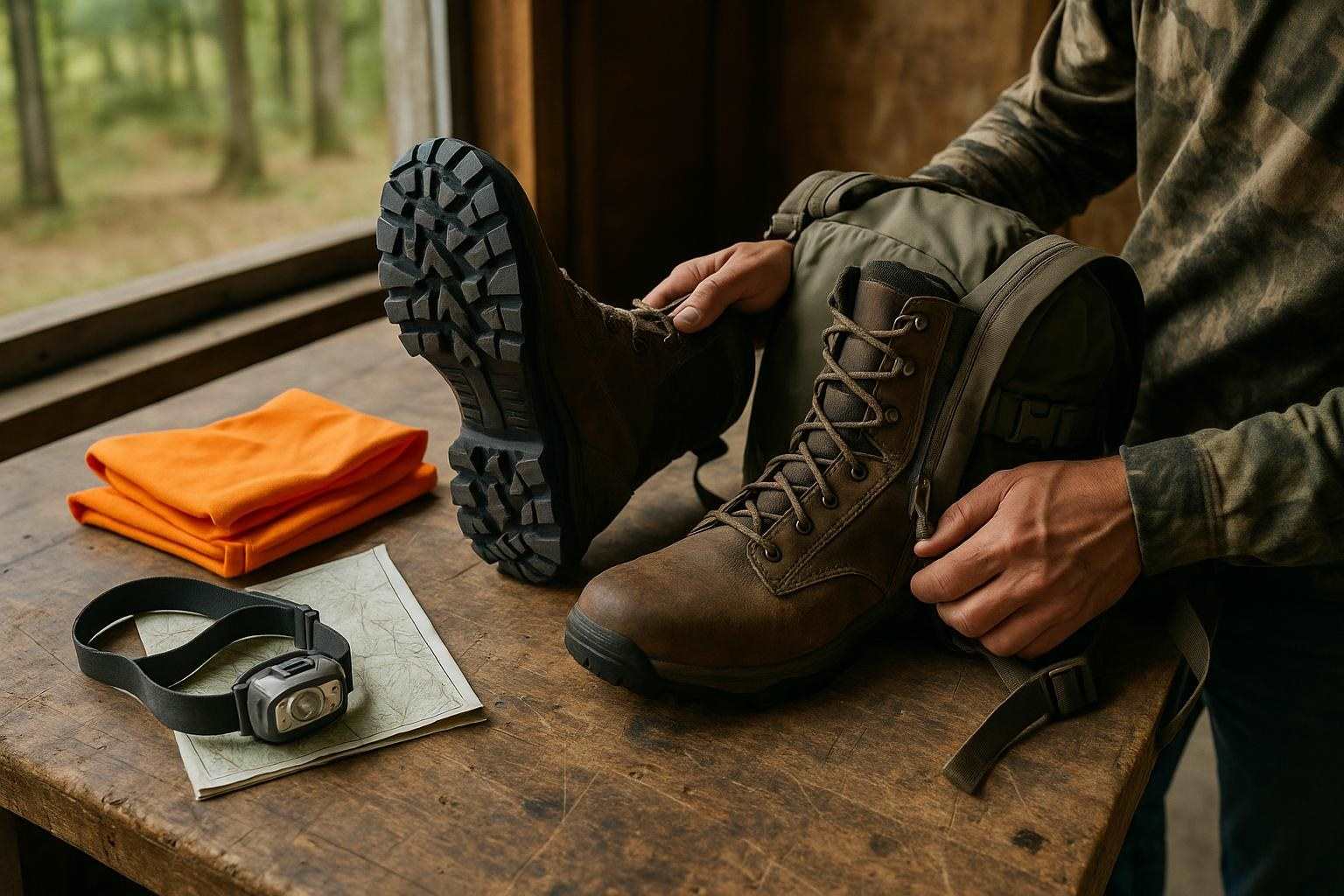
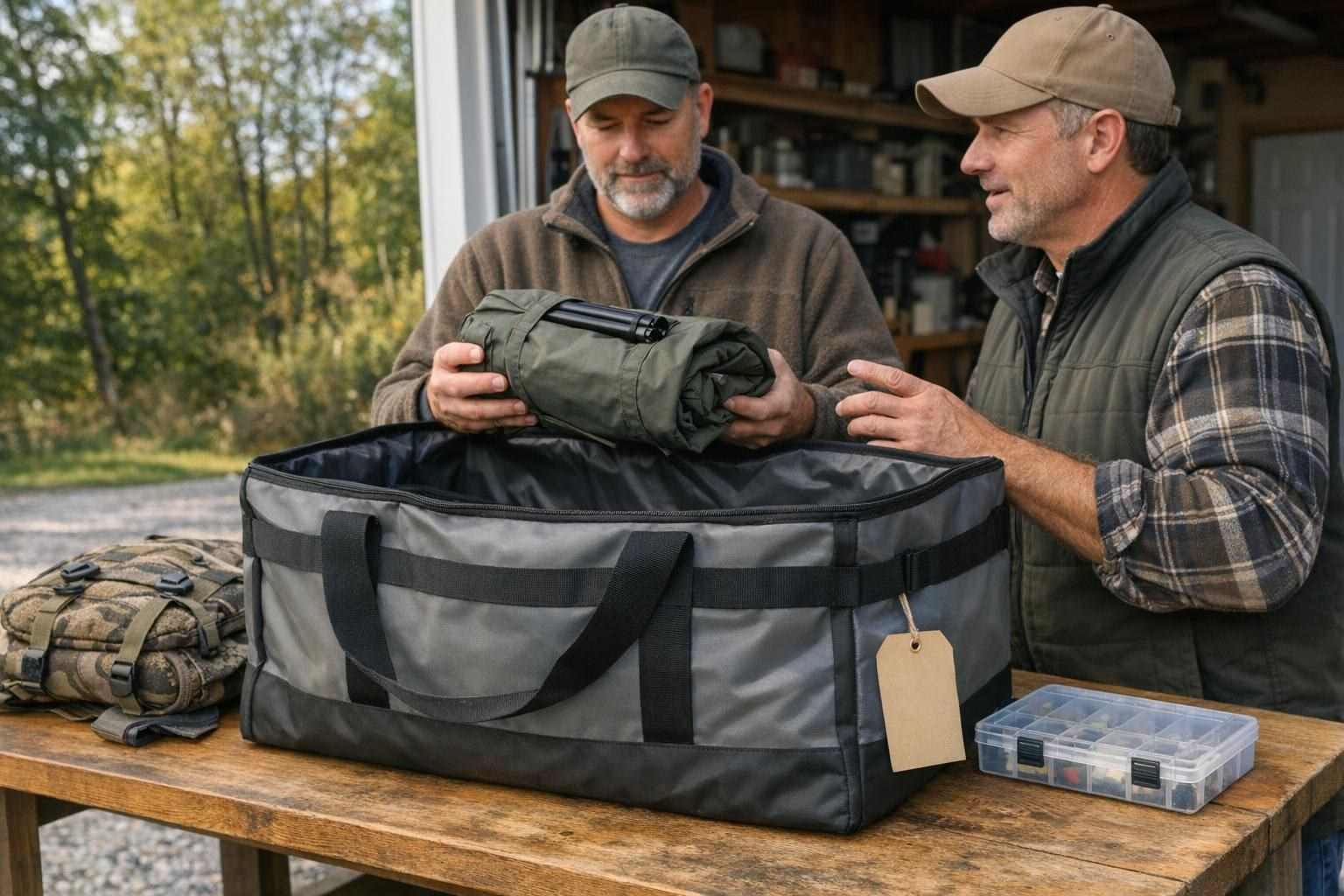
Quickly go through all of the gear for obvious problems like torn fabric, broken buckles, cracked plastic, corroded metal, missing parts and stretched elastic. Open up all of the pockets on clothing and gear. Make sure that all of the parts for gear like tents, stoves, etc. are present. Make sure that charging cables fit the chargers that they are being traded for and that poles fit the shelters that they are being traded for.
Make sure all strap closures, zippers, pockets, etc. on hunting equipment are in good working order. Leave loaded ammunition, worn load bearing equipment, and any gear whose safe operation is uncertain at home. For regulated items such as firearms, be familiar with all of the rules and restrictions for ownership, transfer, and transport within your state or province. Consult with the relevant state or provincial wildlife agency for the most current and accurate information.
In terms of camping gear and its myriad components, give the same level of inspection to a storage bin or a canister of utensils as you would to a tent or a stove. If the item in question requires a manufacturer's manual for assembly, an inspection by a qualified individual or requires parts that the individual trading cannot provide or would not know how to repair, simply advise the party that will be receiving said item that it needs to be looked at.
Choose a fair way to handle value
Every item doesn't need to be exchanged for money. Items can be traded item for item or for a small agreed upon value. Many useful items will have value because they will be given to someone who actually needs them to go on an outing. An old canoe accessory might be of little value to most people but to someone planning a canoe trip it could be of great value.
Anything you hand over to the other person should include information about how you used it and what repairs you had done, etc. but if in doubt just say that you have no idea whether it works or not. A little honesty is all that is required in these sorts of occasions.
A simple hold period of a few days allows the owner to decide between higher and lower offers for items that several people want to swap for. For example, the person who first mentioned they could use a particular item should be given first refusal of higher offers.
Build an outdoor gear checklist before leaving
The last step before leaving is to check the things you have traded for. Running through an outdoor gear checklist for the gear you have just traded is the best way to ensure that everything is in good order.
– Is every part present? (e.g. hiking poles, pegs for tents, lids for containers, batteries for lamps, mounts for fishing rods, etc.)
– Do you know the condition of the item and any repairs that have been done to it?
– Will it fit in the storage area or vehicle for the intended trip?
– Can the new user store, clean and maintain it?
– Is any safety, legal or manufacturer guidance still needed?
Inspect clothing, including seams and zip, for damage; packs and soft cases for tears in stitching and where they are attached; line, guides, hooks and to check reel is in good working order to replace as necessary.
Keep usable materials in circulation
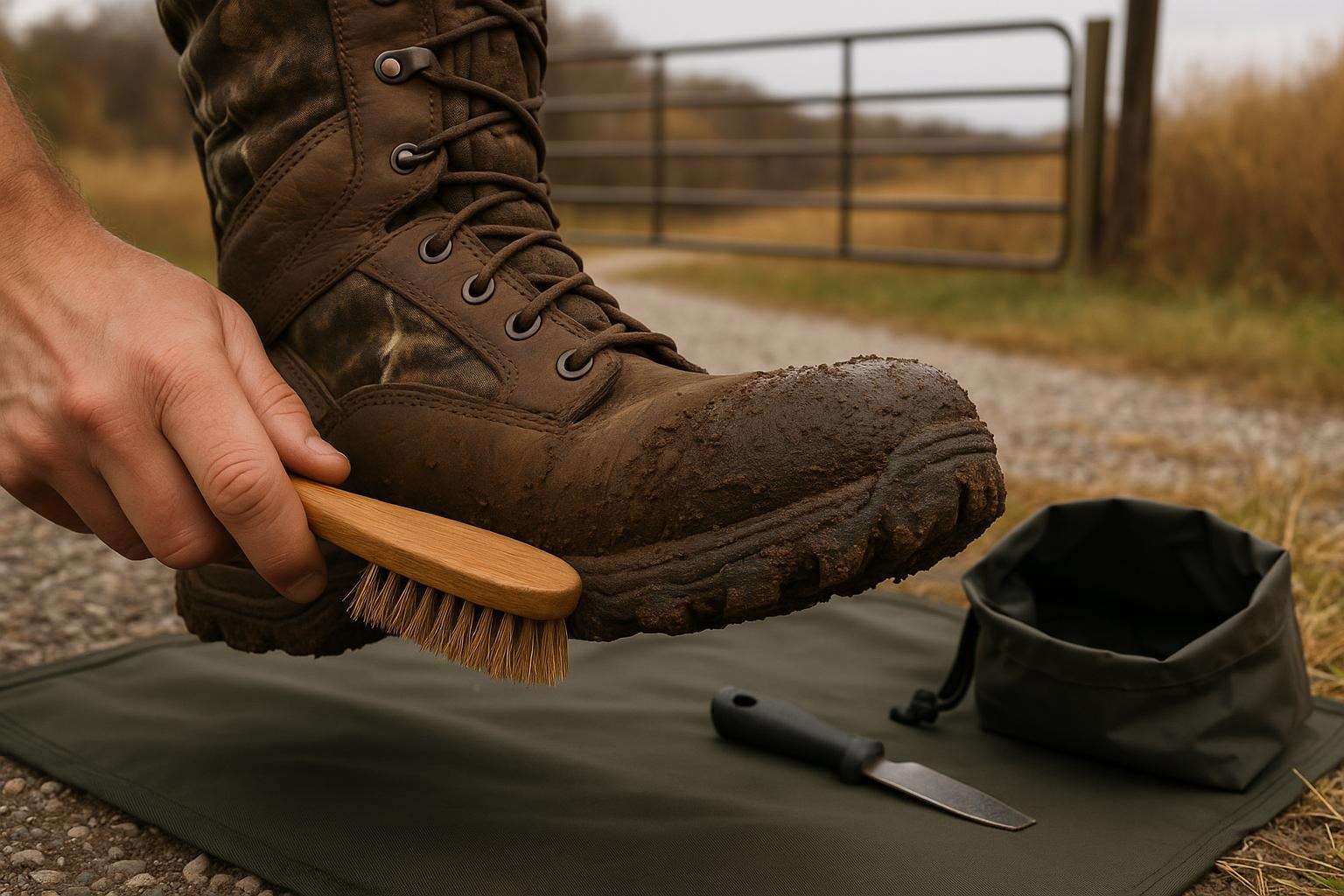
Just because something has been unused by you, doesn't mean it needs to be someone else's problem. Identify items that can be repaired or recycled, and waste disposed of sensibly in accordance with local regulations. Ensure any personal data is removed from electronic items, clean mud and plant life from boots and other equipment, and store any faulty gear separately from items that are ready to go.
Clean your gear of mud, seeds and plant material and then move it to another waterway or property. We like to say, "Take nothing but memories, leave nothing but boot prints." Habitat stewardship is an important part of responsible resource use and cleaning your gear before using it in another outdoor place is key to helping prevent the spread of unwanted organisms. As the rules for cleaning and transporting gear change from time to time, be sure to check with local government for current best practices.
A small and organized gear swap with friends will go smoothly and be so much fun if you establish a few clear rules for yourselves: only bring items you can truthfully describe, inspect gear before you agree to take it home and be sure to leave room for people to decline offers of unwanted gear. These kinds of simple rules will turn a casual gear swap into a effective way to share your excess outdoor gear while respecting the safety, ownership and the outdoors.